
Trézor.io/Start — Starting Up™ Your Device | Trézor®
Trezor.io/start offers practical guidance for setting up a Trezor hardware wallet, connecting Trezor Suite, securing recovery information, and preparing your device for everyday crypto management.
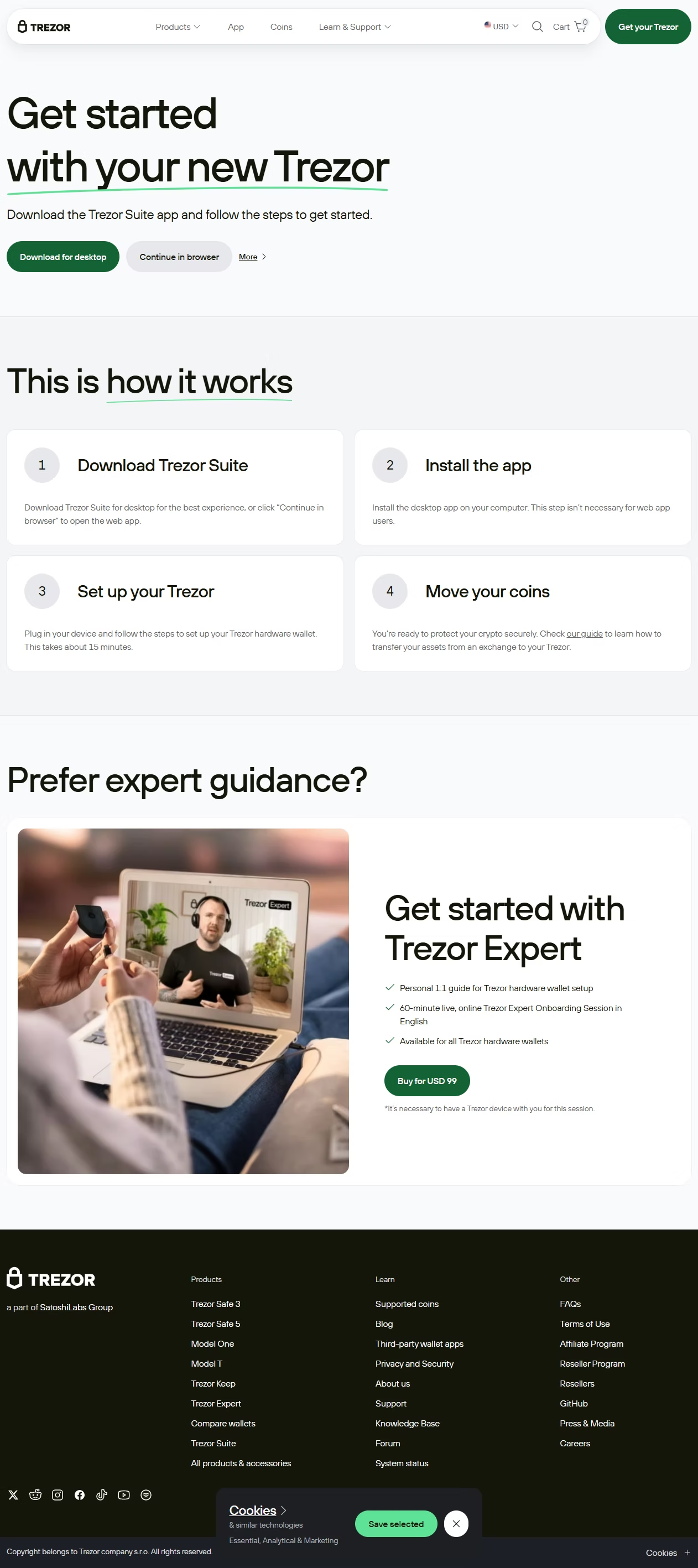
Trezor.io/start Guide: A Simple Way to Set Up Your Trezor Wallet
Setting up a hardware wallet for the first time can feel unfamiliar, especially when you are learning about recovery seeds, PIN protection, wallet accounts, and transaction verification. Trezor.io/start is associated with the Trezor onboarding experience and helps users begin working with a compatible Trezor hardware wallet in an organized way.
A careful setup is important because a hardware wallet is designed to give users greater control over their cryptocurrency. Understanding each stage before moving forward can help beginners avoid common mistakes and build better security habits from the beginning.
Understanding Trezor.io/start
Trezor.io/start is commonly used as the starting point for setting up a Trezor hardware wallet. The onboarding process is intended to guide users through preparing their device and connecting it with the appropriate Trezor software.
Rather than rushing through the setup, users should read every instruction shown during the process. Hardware-wallet configuration involves sensitive security information, so accuracy is more important than speed.
Prepare Before Starting
Before beginning, make sure you have your Trezor hardware wallet and access to a trusted computer. It is important to obtain the required software from an official Trezor source.
Avoid downloading wallet applications from unknown websites or advertisements. Fake wallet software can be designed to imitate legitimate applications and may attempt to obtain sensitive information.
Once the appropriate software is ready, connect the Trezor device and follow the setup instructions displayed on screen.
Initialize Your Trezor Device
Depending on the device and setup situation, the onboarding process can guide you through initializing or configuring the hardware wallet.
Pay attention to every screen and confirm that you understand the security instructions before continuing. If something seems unusual or unexpected, stop the setup and verify the information through a trusted Trezor resource.
Creating Device Security
A hardware wallet uses security features to help protect access to cryptocurrency accounts. During setup, you may be guided through security configuration associated with the device.
Keep any device credentials private. Do not share your PIN or other confidential information with friends, strangers, online support accounts, or people contacting you unexpectedly.
Protect Your Recovery Seed
The recovery seed is one of the most important parts of setting up a Trezor wallet. It provides a backup that can be used to recover wallet access if the physical device is lost or becomes unavailable.
Write the recovery words down exactly as instructed and store them somewhere secure and offline. Avoid taking screenshots or storing the seed in email, cloud storage, messaging applications, or ordinary computer files.
Never disclose your recovery seed to anyone. A legitimate support process should not require you to reveal your complete recovery information.
Install and Use Trezor Suite
After the hardware wallet has been prepared, Trezor Suite provides the software environment for managing supported cryptocurrency accounts. Users can use the interface to review wallet information, manage accounts, and perform supported transactions.
The application and hardware device work together. The computer provides the interface, while the physical wallet can be used to review and approve important actions.
Adding Cryptocurrency Accounts
Once the wallet is ready, users can add supported cryptocurrency accounts through Trezor Suite. Depending on the asset, the software may require additional steps before an account becomes available.
Keeping accounts organized is useful when managing multiple digital assets. Clear account names and careful organization can make it easier to monitor your portfolio and transaction history.
Receiving Cryptocurrency Safely
When receiving cryptocurrency, generate a receiving address for the correct account and asset. Before sharing it, carefully check the address and network.
For additional protection, verify the receiving address on the Trezor hardware wallet when the device provides that option. This gives you another opportunity to confirm that the address displayed by the computer is the one you intend to use.
Sending Crypto With Confidence
Sending cryptocurrency requires careful attention because blockchain transfers are usually irreversible. Before confirming a transaction, review the recipient address, amount, network, and applicable fee.
When transaction information appears on the Trezor device, compare it with your intended transfer. Approve the transaction only when all important details match.
Security Tips for New Trezor Users
A secure wallet setup continues beyond Trezor.io/start. Keep your recovery seed private, use trusted software, and avoid clicking suspicious links related to wallet support or account verification.
Be particularly careful with messages that create urgency. Scammers may claim that your wallet has been compromised and ask you to provide your recovery seed. Do not follow such instructions.
Remember that controlling your recovery seed effectively means controlling access to the associated wallet. Treat those words as highly confidential.
Keep Your Wallet Software Updated
Wallet software may receive improvements and security-related updates over time. When an update is available, use trusted Trezor resources rather than links supplied by unknown sources.
Avoid unofficial software packages and modified applications. If an update notification looks suspicious, verify it independently before proceeding.
Final Thoughts
Trezor.io/start can provide a structured starting point for users setting up a Trezor hardware wallet. From preparing the device to configuring security features and connecting with Trezor Suite, each stage contributes to a safer wallet experience.
The most important habits are simple: protect your recovery seed, keep confidential credentials private, verify transaction information on the hardware device, and use trusted software sources.
With careful preparation and responsible security practices, beginners can approach Trezor wallet setup with greater confidence and establish a solid foundation for managing their cryptocurrency.
Updated about 8 hours ago